Do I Need Planning Permission for Solar Panels? UK Rules for Houses, Listed Buildings and Conservation Areas
By PVFirms Editorial Team, Published on 2026-10-24 • 7 min read
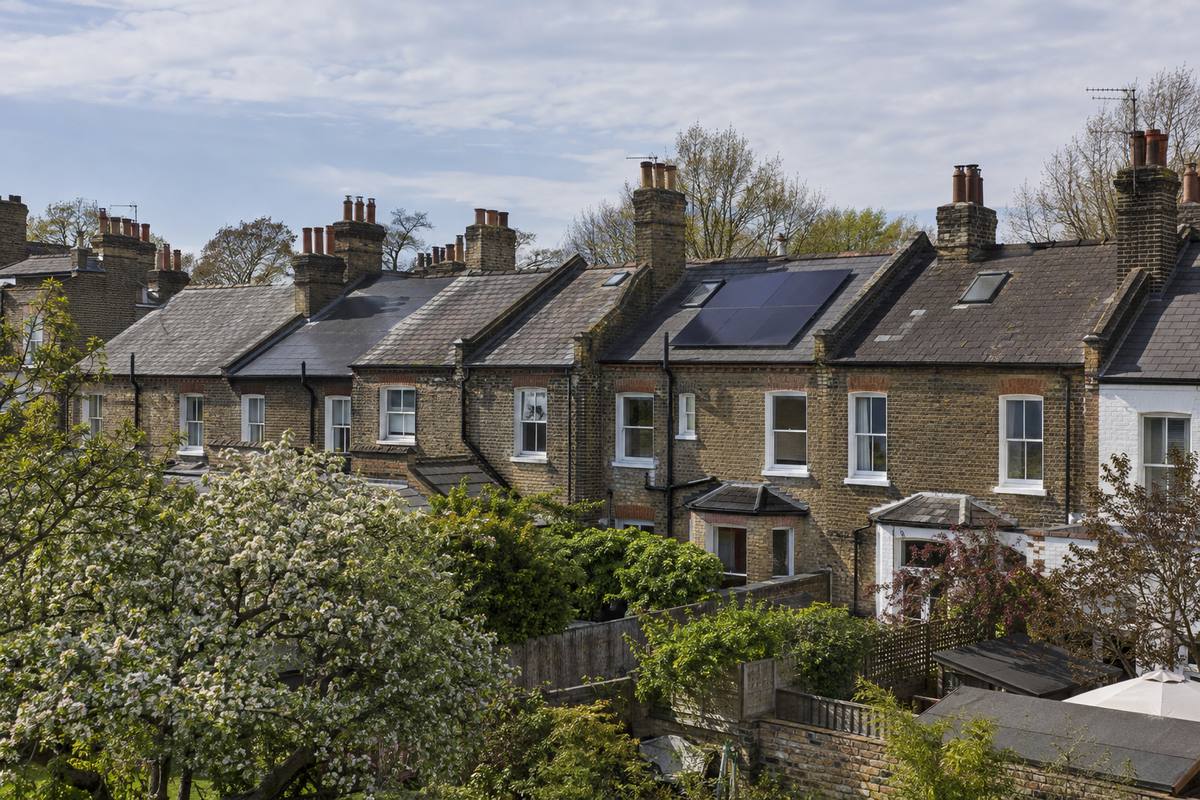
For most houses in England, the answer is no. Rooftop solar on a house is usually "permitted development", which means you can install it without applying, provided the panels meet a short list of conditions on size and position. The answer changes for listed buildings, some conservation areas, ground-mounted arrays and homes where permitted development rights have been removed.
Even when you don't need planning permission for solar panels, two other approvals still apply: building regulations and notification to your electricity network operator. A competent installer handles both, but you should know what they are and ask for proof they have been done.
In short:
- Rooftop panels on a house in England are usually permitted development if they sit no more than 0.2 m proud of the roof and no higher than its highest point.
- Listed buildings almost always need listed building consent. Conservation areas and Article 4 directions can add restrictions.
- Scotland, Wales and Northern Ireland have their own rules, broadly similar but not identical.
- Grid notification under G98 or G99 is separate from planning and applies to every grid-connected system.
Quick check: which situation are you in?
| Your situation (England) | Planning permission likely? | What to check |
|---|---|---|
| House, pitched roof, not listed | Usually no | 0.2 m projection, not above the ridge |
| House, flat roof | Often no, within limits | Height above the roof and set-back from its edges |
| House in a conservation area | Often no for roof panels | Wall-mounted panels, Article 4 directions |
| Listed building | Listed building consent almost certain | Speak to the conservation officer first |
| Flat in a block | Depends | Freeholder consent and lease terms |
| Ground-mounted array in the garden | Often no, within limits | Array size, height and distance from boundaries |
Treat this as a starting point. Your local planning authority has the final word.
Solar panels and permitted development in England
Permitted development rights for domestic solar sit in the General Permitted Development Order. For panels on the roof or wall of a house, the key conditions are:
- panels must not protrude more than 0.2 m beyond the plane of the roof slope or wall;
- they must not be higher than the highest part of the roof, excluding the chimney;
- they should be sited, so far as practicable, to minimise the effect on the building's appearance and the amenity of the area;
- they must be removed as soon as reasonably practicable once no longer needed.
Standard on-roof mounting kits on a pitched roof sit comfortably within the 0.2 m limit. In-roof systems, where panels replace tiles, sit flush and raise even fewer questions.
Flat roofs
Flat roofs used to be a grey area, because tilted frames can rise well above the roof surface. The rules for flat roofs on houses in England have been clarified in recent years, with a maximum height for panels above the roof and a minimum distance from the roof edge. Ask your installer to confirm the current limits against the Order, or check with your council, before you choose a frame angle.
Ground-mounted panels
Standalone arrays in a garden have their own set of limits covering array area, height and distance from the property boundary, and normally only one standalone installation is permitted. Larger or taller arrays need a planning application.
Solar panels in a conservation area
Conservation areas do not ban solar. Roof-mounted panels on a house in a conservation area are generally still permitted development, but extra restrictions have historically applied, particularly to wall-mounted panels on elevations facing a road. The detail has changed over time, so check the current position with your council.
The bigger risk is an Article 4 direction. Councils use these to remove specific permitted development rights in sensitive streets, and some cover solar on front roof slopes. If one applies, you need a planning application. Your council's website or planning department will tell you.
Practical choices that tend to go down well include using the rear roof slope, all-black panels with black frames, and in-roof mounting for a flush finish.
Listed building solar panels
If your home is listed, assume you need listed building consent for panels on the building itself. Consent is required for works that affect a listed building's character, and solar panels usually do. Carrying out unauthorised works to a listed building can be a criminal offence, so this is not an area for guesswork.
Consent is not automatically refused. Options that conservation officers often find easier to support include:
- panels on an outbuilding, garage or modern extension rather than the historic roof;
- a ground-mounted array out of public view;
- a hidden roof valley or rear slope.
Contact the council's conservation officer before you commission a design. Historic England also publishes guidance on energy improvements to historic buildings.
Scotland, Wales and Northern Ireland
Planning is devolved. Each nation has its own permitted development rules for domestic solar, and while the broad pattern is similar to England (small projections on roofs are usually allowed), there are differences in how listed buildings, conservation areas and wall-mounted panels are treated. Check with your local planning authority. In England and Wales, the Planning Portal is a useful starting point.
Building regulations and grid notification
Building regulations
Panels add weight and wind loads to the roof, and the electrical work must comply with wiring standards. In practice, MCS-certified installers who belong to a competent person scheme self-certify the work and notify building control. You should receive a building regulations compliance certificate. Keep it with your MCS certificate, as both matter when you sell.
G98 and G99
Your installer must tell the local distribution network operator (DNO) about the system:
- G98 covers small systems with type-tested equipment up to 16 A per phase, about 3.68 kW on a typical single-phase home. The installer notifies the DNO within 28 days of commissioning.
- G99 applies to larger systems. The installer applies before installation, and the DNO may approve, set an export limit or require network work. Allow several weeks.
Battery inverters count towards the total, which is why adding storage later can trigger a G99 application. Our solar battery storage guide covers this.
Getting certainty before you install
If your project is near a limit, or you want proof for a future sale, apply to your council for a Lawful Development Certificate. It confirms the work is permitted development. There is a fee, and it is optional, but it removes doubt.
Also check the less obvious consents. Leaseholders need the freeholder's agreement, and your mortgage lender and home insurer may want to be told.
Choosing an installer who handles the approvals
Installers who regularly work on period properties will spot planning issues during the survey. On PVFirms you can search the installer directory or browse solar companies in the United Kingdom by region, then ask shortlisted firms whether they have worked on listed buildings or in conservation areas. The guide to choosing a solar installer lists further questions, and the PVFirms glossary explains terms such as DNO, G99 and export limitation. For sizing before you talk to anyone, see how many solar panels you need.
FAQ
Do I need planning permission for solar panels on a flat roof?
Often not, for a house in England, provided the panels stay within the height limit above the roof and are set back from its edges as the current rules require. Steeply tilted frames are the usual problem. If the design is close to the limits, ask your council or apply for a Lawful Development Certificate.
Can my neighbour object to my solar panels?
If the installation is permitted development, there is no planning application, so there is nothing to object to formally. A neighbour can still complain to the council if they believe the panels breach the conditions. The council can then investigate and, where rules have been broken, require changes or removal.
Do I need building regulations approval for solar panels?
The work must comply with building regulations, but you rarely need to apply yourself. MCS-certified installers registered with a competent person scheme self-certify and notify building control on your behalf. Ask for the compliance certificate at handover and keep it with your other documents.
What happens if I install solar panels without the right permission?
The council can take enforcement action and may require the panels to be altered or removed. For listed buildings the consequences are more serious, because unauthorised works can be a criminal offence. Missing paperwork can also delay a house sale while a buyer's solicitor asks questions.
Before you book a survey
Check whether your home is listed or in a conservation area, then ask installers to confirm the planning and DNO route in writing with their quote. Start with solar installers in your region on PVFirms, confirm their MCS certification, and request free quotes.