How to Choose a Solar Panel Manufacturer: A Practical Guide
By PVFirms, Published on 2026-08-15 • 5 min read

Choosing a solar panel manufacturer is one of the decisions that quietly shapes your system's output, reliability and value for the next 25 to 30 years. Instead of chasing whichever brand tops a list this year, it pays to understand what actually separates a strong manufacturer from a weak one — and how to match the right panel to your roof, your inverter and your goals. This guide gives you an evergreen framework you can apply to any manufacturer, in any market.
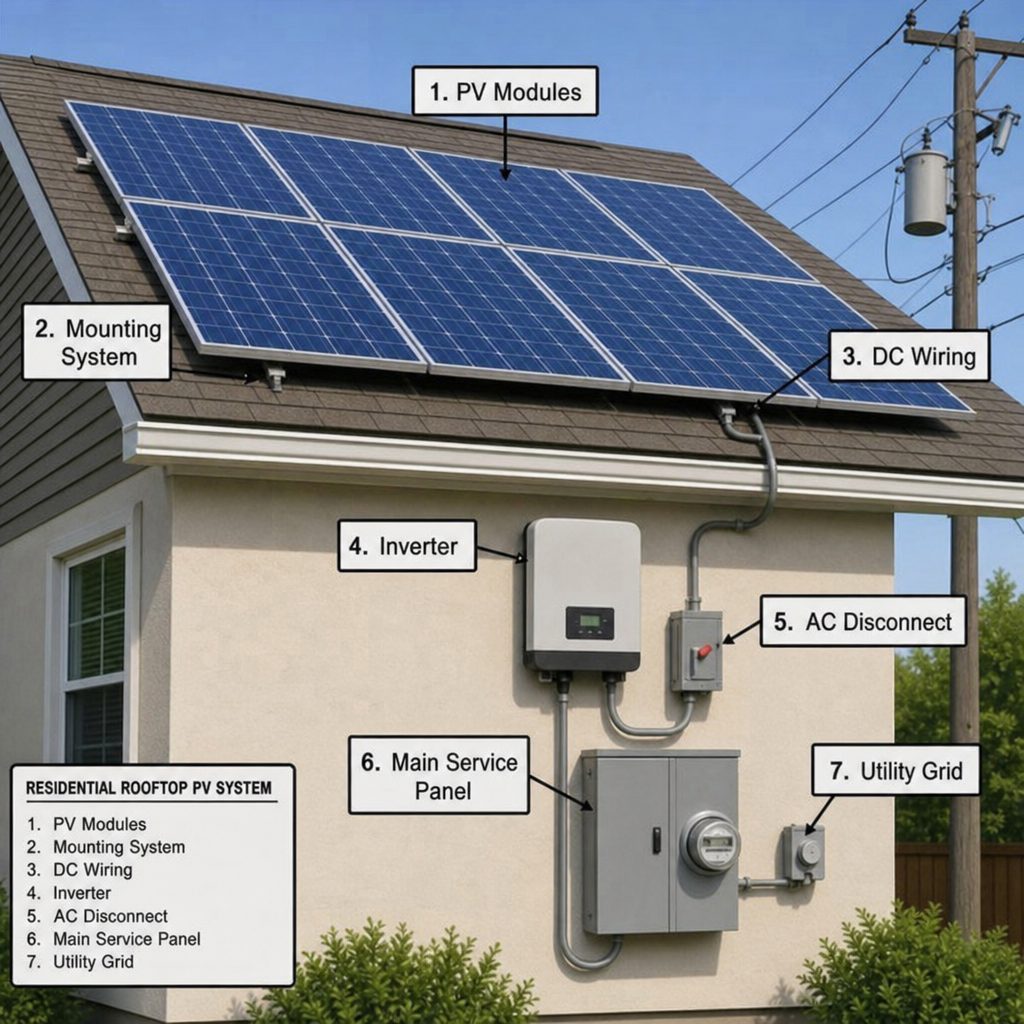
What “best” really means when comparing manufacturers
There is no single best manufacturer — the best choice depends on your roof, budget and risk tolerance. Strong manufacturers tend to share the same traits, and those traits are far more useful than a brand ranking:
- Reliable performance in heat (a good temperature coefficient)
- A credible long-term output guarantee (a linear power warranty)
- Financial stability and scale (bankability)
- Technology that matches your inverter choice (string inverter vs microinverter)
- Documented certifications and quality control
Bankability: look beyond brand fame
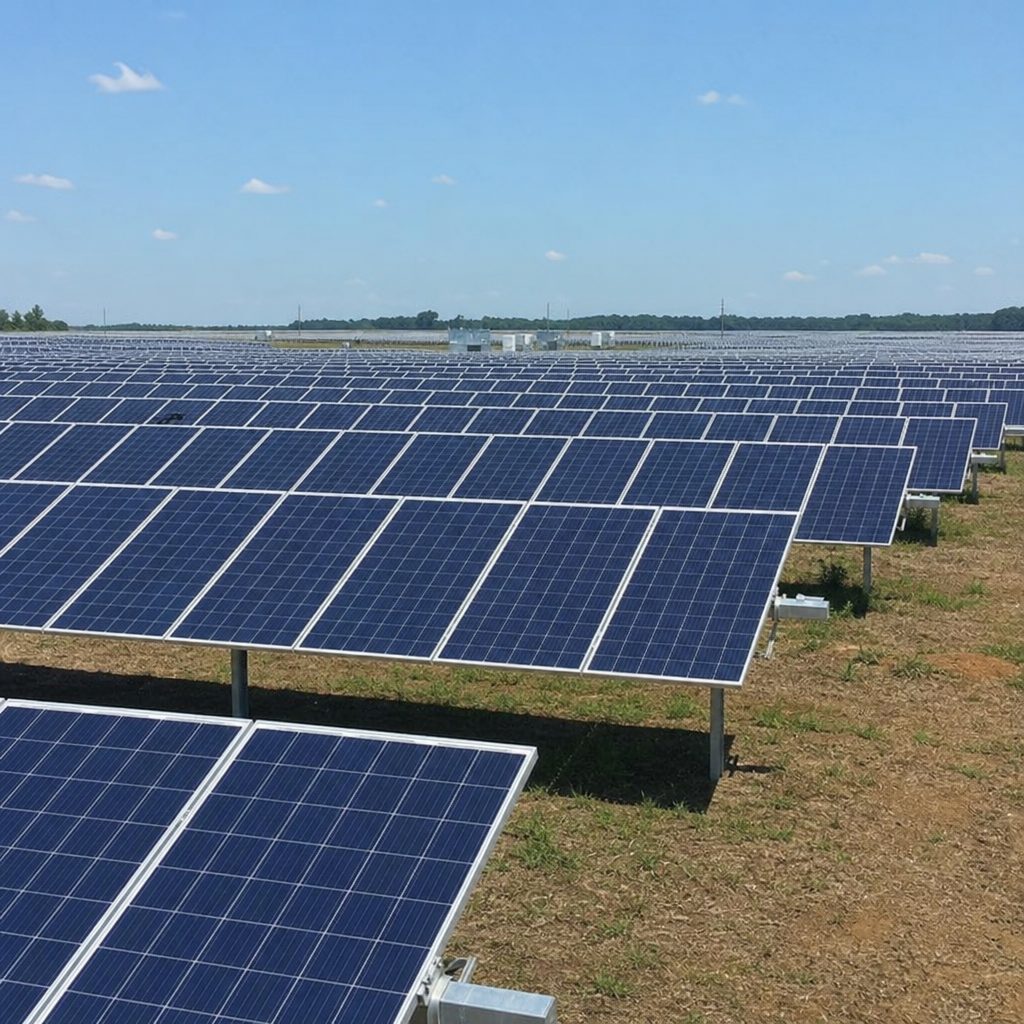
Bankability means a manufacturer is credible enough that financiers and large projects trust it to honour warranties years from now. A famous logo is not the same thing. Look for a long operational history and real scale, transparent warranty terms with local support channels, and real-world deployment at commercial or utility scale. On PVFirms you can compare verified manufacturers and see which serve your market.
The specs that separate marketing from engineering
Linear power warranty (the degradation curve)
A linear power warranty tells you how much output the manufacturer promises after 25 to 30 years. Look for a clear first-year degradation cap, a consistent annual degradation rate afterwards, and a strong end-of-warranty retained-power figure. Ask for the exact warranty chart in writing — not just “25 years”.
Temperature coefficient
Panels produce less as they heat up, so the temperature coefficient matters in hot summers. A better (less negative) coefficient usually means stronger output on hot roofs — sometimes a bigger deal than a small difference in nameplate efficiency.
IEC certifications and PID resistance
Recognised IEC certifications are a baseline expectation, not a luxury. Serious manufacturers also publish additional stress-test results and factory quality-control processes. Ask about resistance to PID (potential-induced degradation), which can reduce performance under certain voltage, humidity and temperature patterns. If a seller cannot provide documentation easily, treat it as a red flag.
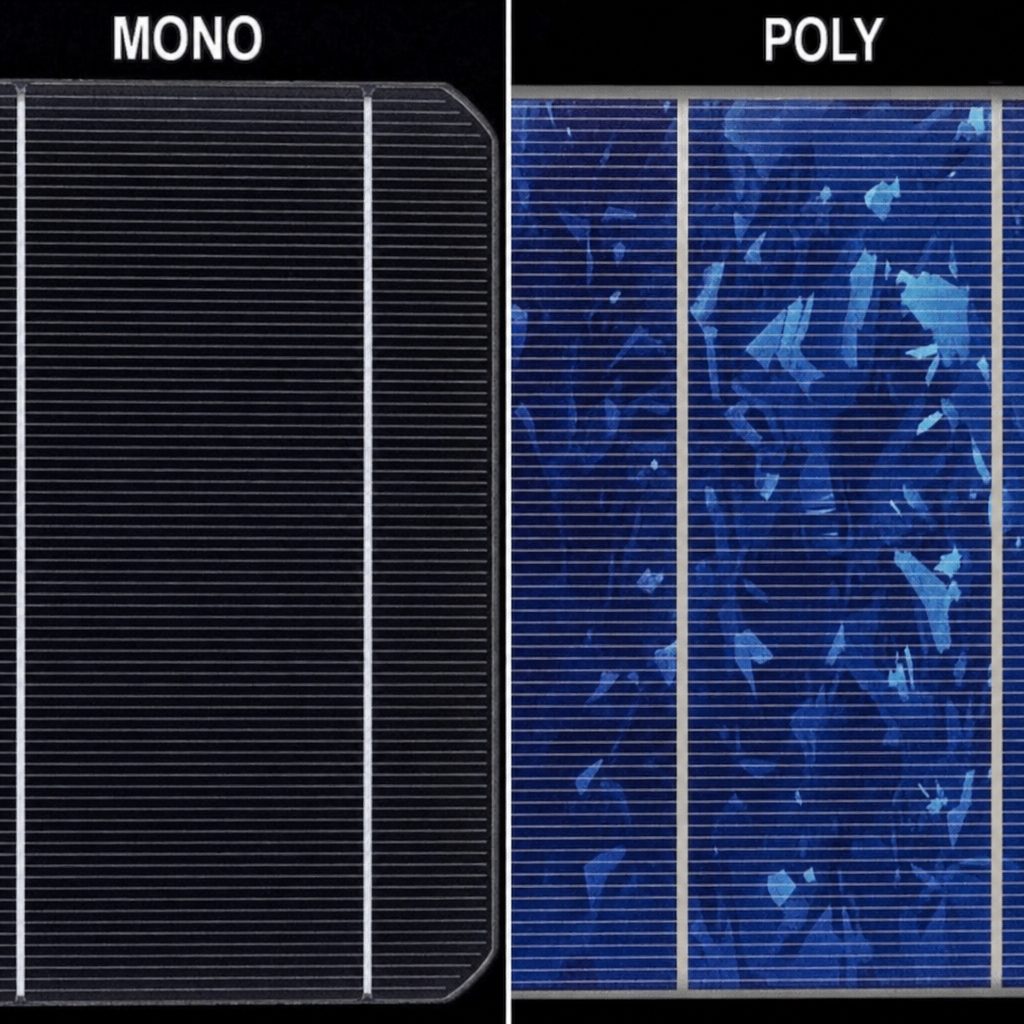
Monocrystalline vs polycrystalline
For most modern installations this is no longer a close contest. Monocrystalline panels offer higher efficiency and better use of limited roof space, and now dominate premium residential builds. Polycrystalline was historically cheaper but is increasingly uncommon for new premium installs. If roof space is limited, monocrystalline almost always wins.
Match the panel to your inverter
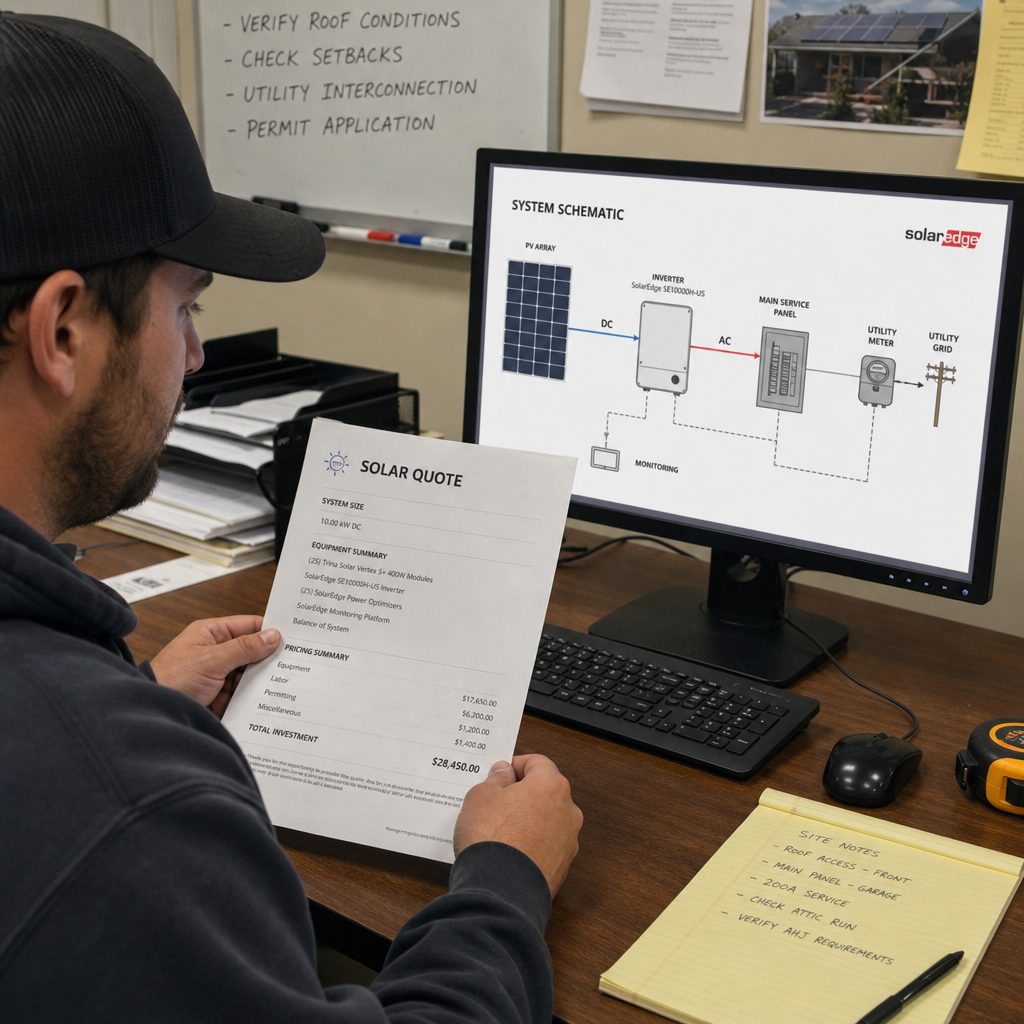
Your inverter architecture can decide which panels are “best” for you. A string inverter suits simple roofs with minimal shading and usually costs less. Microinverters or optimisers give panel-level monitoring and protect yield on complex roofs with partial shading or multiple orientations. If your roof has chimneys, trees, dormers or mixed tilt angles, panel-level electronics can protect annual output even with mid-range panels.
Cost per kWp: what actually influences it
Panel cost is only one slice of the total. In practice, the project cost per kWp is shaped by the panel tier, roof complexity and mounting, the inverter choice, permits and grid connection, and any optional battery or monitoring. When comparing quotes, request a line-item breakdown: modules, inverter(s), racking, labour, permitting, monitoring and warranty-service terms.
How to choose: a quick decision framework
Work through three steps:
- Define your priority — performance, budget, aesthetics or risk. Performance-first buyers pick premium modules with strong temperature coefficients and clear warranties; budget-first buyers choose a bankable value brand and invest in great installation; risk-first buyers focus on manufacturer bankability plus installer service reputation.
- Evaluate bankability beyond brand fame — operational history, transparent warranties, local support, and proven large-scale deployment.
- Confirm after-sales handling — a warranty is only as good as the process behind it. Ask about claim timelines, who covers removal and reinstallation labour, and replacement-model availability years later.
A special case: building-integrated PV (BIPV)
If you are designing a modern facade, a pergola roof or an integrated roof surface, building-integrated photovoltaics can be striking — but the priorities change. Aesthetics and custom sizing often matter more than peak efficiency, engineering and fire ratings become critical, and installer experience is non-negotiable. Treat BIPV as a building-envelope project with PV included, not just “panels on a roof”.
Quick recommendations by buyer type
- Homeowner, limited roof space: premium monocrystalline modules, plus microinverters if there is shading.
- Homeowner, simple roof and best value: a bankable value brand with a string inverter.
- Commercial rooftop: prioritise bankability, consistent supply and a serviceable inverter architecture.
- High-heat climates: focus on the temperature coefficient, ventilation and a quality mounting layout.
- Aesthetic architecture project: explore BIPV with proven integrators.
The takeaway: best manufacturer = best fit + lowest lifetime risk
The real winners are the buyers who match panel technology, inverter architecture and warranty strength to their specific site. Use any ranking only as a starting point, then choose on bankability, temperature behaviour, PID resistance, warranty clarity and installer service. Browse verified solar panel manufacturers on PVFirms, or explore all solar companies — installers, manufacturers, distributors and consultants across Europe.