Solar Panel Scams: Red Flags to Watch For and How to Protect Yourself
By PVFirms Editorial Team, Published on 2026-10-24 • 7 min read
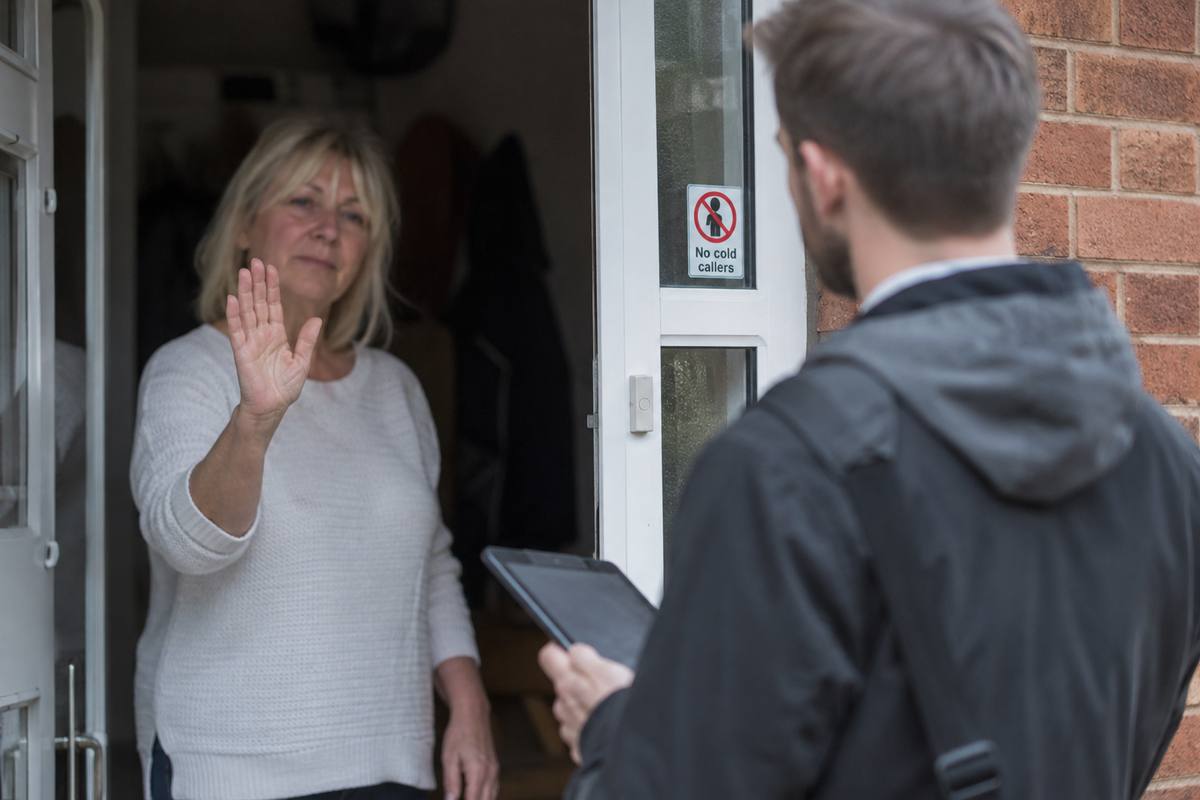
Most solar installers are honest businesses doing careful work. A minority are not, and solar panel scams tend to follow the same pattern: an unsolicited approach, a promise that sounds generous, pressure to decide quickly and a contract that is hard to unwind. Once you know the pattern, it is easy to spot.
This guide covers the common types of scam and mis-selling, a red-flag checklist, how to check a company before you sign, and where to complain in the UK, Ireland and the US if something has already gone wrong.
In short:
- Unsolicited calls or visits, "free" panels and deals that expire today are the most common warning signs.
- Check the company's legal registration, certification and consumer code membership yourself, using the official databases.
- Never pay a large deposit to a firm you cannot verify, and use payment methods that give you protection.
- If you financed the system and were misled about savings, the lender may share responsibility.
How solar panel scams typically work
The schemes vary in detail but fall into a few groups.
- "Free" or "government-funded" solar. Callers claim you qualify for free panels under a government scheme. Genuine support schemes exist for some low-income households, but they are not sold through random cold calls, and they never require an upfront "admin fee".
- Inflated savings. The salesperson shows savings that assume every kWh is used at home, electricity prices rising sharply every year, or a system larger than your roof can hold. The panels are real; the promised payback is not.
- Pressure selling. A "today only" discount, a manager phoned from your kitchen to approve a special price, or a salesperson who will not leave until you sign.
- Deposit and disappear. A firm takes a large deposit and then delays, goes quiet or closes. Sometimes the same directors reappear under a new company name.
- After-sales scams. Calls claiming your existing system is faulty, unsafe or "needs upgrading to comply" with new rules, followed by an expensive and unnecessary visit.
Red flags at a glance
| Red flag | What it looks like | What to do |
|---|---|---|
| Unsolicited contact | Cold call, doorstep visit or social media message you did not ask for | Do not agree anything on the spot; find installers yourself |
| "Free solar" | Claims of free panels, often with an admin fee | Check scheme eligibility on official government sites |
| Deadline pressure | Discount that expires today or "last slot this month" | Walk away; genuine prices last more than a day |
| Vague hardware | No panel or inverter model, just "premium panels" | Ask for exact models in writing |
| Savings without workings | A payback figure with no stated assumptions | Ask for usage, self-consumption and tariff assumptions |
| Large deposit | Half or more upfront before any work | Insist on staged payments and deposit protection |
| Unverifiable firm | No company number, no certification you can confirm | Check official registers before going further |
| Finance pushed hard | Loan presented as "paying for itself" | Get the full cost of credit and compare independently |
Cold calling solar: your rights at the door and on the phone
Rules differ by country, but some protections are common.
- UK and Ireland: contracts signed at your home or at a distance generally come with a 14-day cooling-off period, during which you can cancel. Ask for the cancellation form, and do not let work start inside that period unless you genuinely want it to. In the UK, registering with the Telephone Preference Service reduces legitimate sales calls, which makes those that still arrive more suspicious.
- US: the Federal Trade Commission's Cooling-Off Rule generally gives you three days to cancel certain sales made at your home, and many states add their own protections for home improvement contracts. Check with your state attorney general's office.
A simple rule works everywhere: never sign during a first visit you did not arrange.
How to check a solar company before you sign
Five minutes of checking filters out most bad actors.
- Legal registration. In the UK, search Companies House for the company name and number. Look at incorporation date, filing history and the directors' other appointments, including dissolved companies. In Ireland, use the Companies Registration Office (CRO). In the US, check your state's business registry and contractor licensing board.
- Certification. In the UK, confirm MCS certification and RECC or HIES membership on the official databases. In Ireland, check SEAI's register if you plan to claim a grant. In the US, confirm the contractor licence and, optionally, NABCEP credentials.
- Independent verification. PVFirms runs its own checks before awarding a verification badge, testing identity, registration and VAT details against official business registers, VAT databases and OpenCorporates, and confirming at least one real customer for the Verified tier. The verification process is free and cannot be bought, so a badge reflects checks, not payment. You can filter the solar installer directory to show verified firms.
- Real addresses and landlines. A firm with only a mobile number and no trading address is harder to hold to account.
For a wider view of what good looks like, our guide to the best solar companies in Europe explains which signals separate established firms from newcomers, and how to choose a solar installer gives a step-by-step vetting checklist.
Solar panel mis-selling on finance
Many complaints involve loans arranged by the installer. The system may work perfectly, but the buyer was told the savings would cover the repayments when they never could.
In the UK, if you paid with point-of-sale finance or a credit card, the lender can be jointly liable with the installer for misrepresentation or breach of contract under section 75 of the Consumer Credit Act, within its value limits. Complain to the lender first. If you are unhappy with its response, you can take the complaint to the Financial Ombudsman Service. Brokers and lenders should appear on the FCA register, which is free to search.
In Ireland and the US, finance complaints usually go to the lender first and then to the relevant financial regulator or ombudsman.
Already caught out? Where to complain
Act quickly and keep everything in writing: quotes, contracts, messages and photos.
- UK: raise a formal complaint with the installer. If unresolved, use the dispute service of the consumer code they belong to (RECC or HIES). Citizens Advice can refer cases to Trading Standards. Report suspected fraud to the national fraud reporting service run by the City of London Police, long known as Action Fraud.
- Ireland: contact the Competition and Consumer Protection Commission (CCPC) for guidance on your rights, and inform SEAI if grant paperwork is involved.
- US: file complaints with your state attorney general, your state contractor licensing board and the FTC.
Frequently asked questions
Are free solar panel schemes a scam?
Not always, but most cold-call "free solar" offers are. Genuine schemes in the UK target specific low-income or vulnerable households and are delivered through approved channels with clear eligibility checks. Older "rent-a-roof" deals, where a company owns panels on your roof, were legal but can complicate selling or remortgaging. Our article on UK solar panel grants explains what is real.
How do I report a solar scam in the UK?
If you have lost money or suspect fraud, report it to the police-run national fraud reporting service (Action Fraud), using the current link on GOV.UK. For poor workmanship or misleading sales practices, complain to the company first, then to its consumer code, and contact Citizens Advice, which can pass cases to Trading Standards. Where finance is involved, the Financial Ombudsman Service handles unresolved complaints against lenders.
Is it safe to buy solar panels from a door-to-door salesperson?
It can be legal, but it is rarely the best way to buy. You have less time to research, little basis for comparison and more pressure to decide. If a visit interests you, take the written quote, verify the company yourself and gather at least two other quotes before committing to anything.
What should a legitimate solar quote include?
Exact panel and inverter models, system size, an estimated annual generation figure with stated assumptions, itemised extras such as scaffolding, warranty details, a payment schedule and the company's registration and certification details. Our guide on how to compare solar quotes includes a template for checking each line.
Protect yourself before you sign
Take your time, verify every company yourself and compare at least three written quotes. To start from firms whose details have been checked against official registers, browse the installer directory on PVFirms and filter by verification tier.