Solar Panel Grants UK 2026: What Support Is Really Available and Who Qualifies
By PVFirms Editorial Team, Published on 2026-10-24 • 7 min read
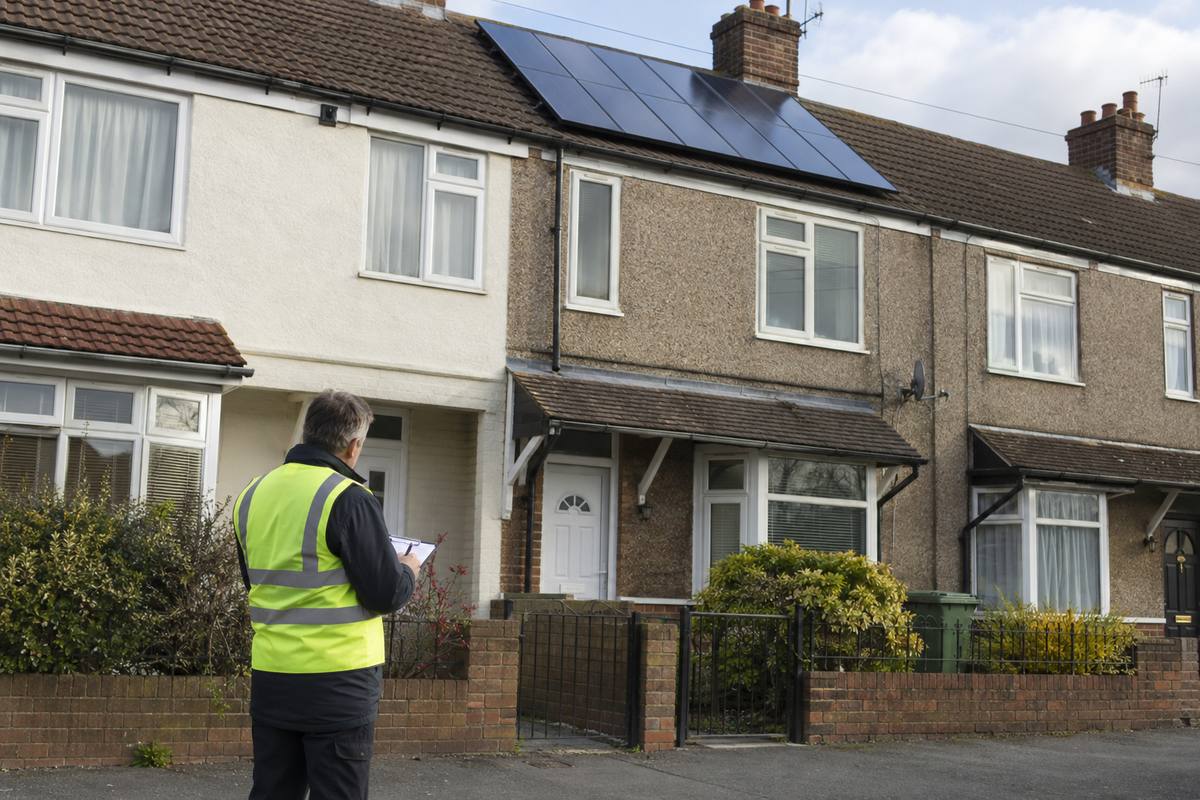
There is no universal government grant that pays for solar panels on every UK home in 2026. Solar panel grants in the UK are targeted. The main schemes fund upgrades for households on low incomes or in poorly insulated homes, and they are delivered through energy suppliers, councils or devolved programmes rather than paid to you as cash.
Most homeowners therefore fund solar themselves, but still benefit from two forms of help that apply to almost everyone: zero-rated VAT on residential installations and payments for exported electricity. This guide explains how each scheme works at mechanism level and who it is aimed at. Rules and funding change often, so confirm current terms on GOV.UK or with Ofgem before you rely on any of them.
In short:
- Grant-funded solar is mainly for low-income or energy-inefficient homes, through supplier obligations or council-run schemes.
- Residential solar and batteries in Great Britain are currently zero-rated for VAT, scheduled until 31 March 2027.
- Scotland has its own support, including interest-free loans that can cover solar, through Home Energy Scotland.
- "Free solar panels" offers from cold callers are rarely what they seem. Check any scheme on an official site first.
UK solar support at a glance
| Support | Funded or run by | Aimed at | How you access it |
|---|---|---|---|
| ECO4 | Large energy suppliers, administered by Ofgem | Low-income and vulnerable households in inefficient homes | Supplier, approved installer or council referral |
| Warm Homes: Local Grant | UK government, delivered by councils in England | Low-income households in homes with poor EPC ratings | Your local council |
| 0% VAT | HMRC | All residential installations in Great Britain | Applied on the installer's invoice |
| Home Energy Scotland Grant and Loan | Scottish Government | Scottish homeowners | Apply before work starts |
| Smart Export Guarantee | Licensed suppliers, administered by Ofgem | Anyone with an eligible system | Sign up with an export tariff provider |
ECO4: supplier-funded upgrades
The Energy Company Obligation requires larger energy suppliers to fund energy-efficiency improvements for households on low incomes or in vulnerable situations. Its fourth phase, ECO4, focused on whole-house upgrades for the least efficient homes.
ECO4 solar panels were rarely a standalone measure. Solar was typically installed as part of a package, often alongside insulation or electric heating such as a heat pump, where the combined work improved the home's energy rating. Households usually qualified by receiving certain means-tested benefits, or through a council's flexible eligibility route (often called "LA Flex"), which lets local authorities refer homes on other low-income or health grounds.
ECO4 was scheduled to close to new work around March 2026, and the government has signalled a different approach to supplier-funded support afterwards. As of late 2026, check the scheme's current status with Ofgem before applying, and treat anyone selling "ECO4 places" with suspicion.
Warm Homes: Local Grant (England)
The Warm Homes: Local Grant is government-funded and delivered by participating councils in England. It covers energy performance upgrades and low-carbon heating, and solar panels are among the measures it can fund. The council or its delivery partner assesses the home and arranges the work.
In broad terms you may be eligible if:
- you own your home or rent privately in England;
- the property has a low energy rating, typically EPC band D to G;
- your household income is below the scheme threshold, you receive certain means-tested benefits, or you live in a qualifying low-income area;
- your council is taking part.
Funding is allocated area by area, so availability differs and allocations can run out. Your council's website is the place to start.
0% VAT: the support everyone gets
Since April 2022, installing solar panels in homes in Great Britain has been zero-rated for VAT. Batteries, including those added to an existing system, were brought into scope later. The relief is currently scheduled to run until 31 March 2027, after which the rate is due to return to 5% unless extended. Northern Ireland has followed its own timetable, so check HMRC guidance on GOV.UK.
You do not apply for this relief. A reputable installer simply does not charge VAT on qualifying work. If a home installation quote adds 20% to the panels or battery, ask why. Our breakdown of solar panel costs in the UK shows typical prices with the zero rate applied.
Scotland, Wales and Northern Ireland
Energy-efficiency support is partly devolved, so options differ by nation.
- Scotland. Home Energy Scotland, funded by the Scottish Government, offers advice plus grant and interest-free loan funding. Solar PV has typically been available through the loan element rather than as an outright grant. Low-income households may qualify for Warmer Homes Scotland. Get approval before any work starts.
- Wales. The Welsh Government runs its own fuel-poverty programme for low-income households, historically known as Nest. Measures are chosen after a home assessment.
- Northern Ireland. Low-income support runs through separate schemes, including some delivered by the Northern Ireland Housing Executive.
Scheme names and terms in all three nations have changed in recent years, so check the current position with the relevant government before applying.
The truth about free solar panels in the UK
Search for free solar panels UK and you will find two very different things.
The first is genuine grant funding. Eligible households under ECO4 or the Warm Homes: Local Grant may pay little or nothing for measures that include solar. These offers come through suppliers, councils and approved installers, after formal eligibility checks.
The second is a sales pitch. "Free" offers can turn out to be finance agreements, roof-lease deals where a company owns the panels and keeps most of the benefit, or upfront "survey" fees for a grant that never arrives. Roof-lease arrangements can also complicate selling or remortgaging.
A simple test: a real scheme can be found on GOV.UK, Ofgem, your council's website or Home Energy Scotland, and the installer will name it precisely. If a caller cannot say which scheme pays, end the conversation. Our guide to solar panel scams and red flags covers the usual tactics.
How to check eligibility and apply safely
- Start with official sources. GOV.UK, your council, Ofgem or Home Energy Scotland will show which schemes are open to you.
- Gather documents. Proof of benefits or income, your current EPC, and proof of ownership or tenancy.
- Let the scheme route you. Grant schemes work through approved installers. Do not sign a private contract first.
- If you do not qualify, compare self-funded quotes. With 0% VAT and Smart Export Guarantee payments, many homes still see a reasonable payback.
Checking installers before you commit
Whether your system is grant-funded or self-funded, the installer's credentials matter. On PVFirms you can browse UK solar companies or the wider installer directory, filtered by region and verification tier. A Verified badge means identity, registration or VAT details and at least one live customer have been confirmed with documents. The verification process is free and cannot be bought. For a mechanism-level summary of every UK incentive, with links to official sources, see the PVFirms UK solar incentives guide.
Frequently asked questions
Are there government grants for solar panels in 2026?
Yes, but they are targeted. Government grants for solar panels in England currently flow mainly through the Warm Homes: Local Grant for low-income households in inefficient homes, delivered by councils. Scotland, Wales and Northern Ireland run their own programmes. Households that do not qualify still benefit from 0% VAT and export payments.
Does the Boiler Upgrade Scheme cover solar panels?
No. The Boiler Upgrade Scheme in England and Wales supports low-carbon heating, mainly heat pumps replacing fossil-fuel systems. Solar PV is not an eligible measure, though you can install panels at the same time and pay for them separately. Our guide to pairing solar panels with a heat pump explains how the two work together.
Is there a solar panel grant for pensioners?
Age alone does not qualify you. However, Pension Credit has typically been among the means-tested benefits accepted by supplier and council schemes, so pensioners receiving it may be eligible where a scheme is open. Check with your council or on GOV.UK rather than responding to callers who mention pensioner grants.
Will 0% VAT on solar panels end?
The zero rate for residential solar and batteries in Great Britain is scheduled to run until 31 March 2027, after which it is due to return to 5%. Governments can extend or change such reliefs, so confirm the current position on GOV.UK if your installation date is close to the deadline.
Check eligibility first, then compare quotes
Start with your council and the official scheme pages, and if no grant applies, get three like-for-like quotes. You can build a shortlist of verified solar installers in the UK on PVFirms and request quotes for free.