Solar Farm Land Lease: A Landowner's Guide to Rents, Terms and Choosing a Developer
By PVFirms Editorial Team, Published on 2026-10-24 • 7 min read
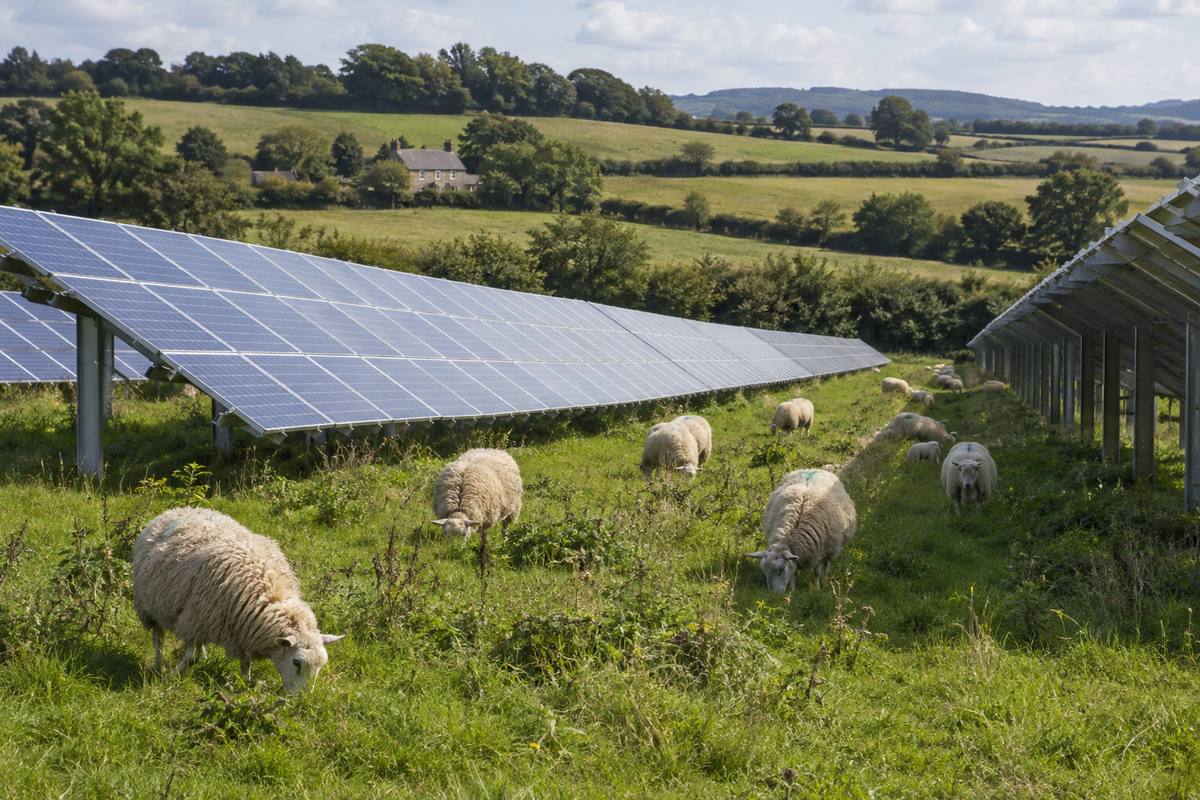
A solar farm land lease lets you rent fields to a developer for a generation in return for a fixed annual rent that is usually well above agricultural rent. For many farms and estates, it is one of the steadiest income streams available. It also commits the land for 25 to 40 years, so the terms deserve more attention than the headline rent per acre.
This guide is written for landowners in the UK, Ireland and the US. It covers what makes land suitable, indicative rent ranges, the clauses worth negotiating, tax and farming points, and how to check the developer on the other side of the table.
In short:
- Grid access decides most deals. Land near a substation with spare capacity attracts the most interest.
- Rents vary widely by country and site. Treat any per-acre figure as a starting point, not a quote.
- Expect an option period of a few years, then a lease of roughly 25–40 years with indexation and a decommissioning bond.
- Sheep grazing or agrivoltaics can keep the land in agricultural use.
Is your land suitable for a solar farm?
Developers screen hundreds of sites to build a handful. These are the factors they check first.
| Factor | What developers look for | Why it matters |
|---|---|---|
| Grid proximity | A substation or line with spare capacity within a few miles | Cable and connection costs can make or break a site |
| Size | Typically 4–7 acres per MW, depending on layout | Determines project size and economics |
| Slope and aspect | Flat or gently south-facing ground | Steep or north-facing land loses yield and adds cost |
| Designations | Outside flood zones and protected landscapes | Reduces planning risk |
| Land quality | In England, lower-grade land is favoured over best and most versatile land | Planning policy protects the best farmland |
| Access and title | HGV road access, clean title, no conflicting tenancies | Lenders will check both |
The grid is the first filter. Many UK network operators and US utilities publish capacity maps that show where connections are realistic. If your land sits near a constrained part of the network, interest may be limited regardless of how good the fields are.
Solar farm lease rates per acre: indicative ranges
The ranges below are indicative for 2026, based on commonly quoted market levels. They are not offers, and individual sites can fall outside them.
| Market | Indicative annual rent | What pushes it up or down |
|---|---|---|
| United Kingdom | Roughly £700–£1,200 per acre | Grid strength, site size, competition between developers |
| Ireland | Roughly €800–€1,200 per acre | Grid capacity, planning prospects, auction success |
| United States | Roughly $300–$2,000 per acre | State, utility territory, land values, state incentives |
One hectare is about 2.47 acres, so convert carefully when comparing offers. Rent is usually a fixed amount per acre, sometimes per MW installed, and occasionally a revenue share with a guaranteed minimum. During the option period, expect a smaller option fee rather than full rent.
The best way to test a figure is to receive several proposals. Developers compete for good grid locations, and a land agent with solar experience can often improve both rent and terms.
Key clauses in a landowner solar lease
Option period. Typically two to five years while the developer secures grid and planning. Check the fee, any extension rights and what happens to your land use during this time.
Lease term. Usually 25–40 years, sometimes with extension rights. Make sure the term fits any time limit on the planning consent.
Indexation. UK and Irish leases commonly link rent to an inflation index. US leases more often use a fixed annual escalator. Check for floors and caps.
Area definition. Agree whether rent is paid on the fenced area or the whole leased area, and what rights the developer has over retained land for cables and access.
Decommissioning. The lease should require removal of all equipment and reinstatement of the land, backed by a bond or other security that is in place well before the end of the term.
Assignment. Developers commonly sell projects to long-term owners. Make sure all obligations pass to the buyer, and consider asking for a parent company guarantee.
Compensation. Cover crop loss, drainage damage and disruption during construction and cable laying.
Costs. Developers often contribute to the landowner's legal and agent fees. Ask for this in the heads of terms.
Tax, farming and planning considerations
Moving land from farming to energy generation can change its tax treatment. In the UK, it may affect inheritance tax reliefs, and these rules have been changing, so take specialist advice before signing. In some US states, losing an agricultural-use assessment can trigger higher property taxes or rollback taxes, so the lease should say who pays them. Irish landowners should also confirm the tax position with an adviser.
Check existing farm tenancies, agri-environment agreements and any lender consents early. A lease signed over land with a conflicting tenancy can stall the project for months.
Agrivoltaics: keeping land in production
Grazing sheep under fixed panels is common practice on UK solar farms and can keep the land in agricultural use. Agrivoltaic designs go further, with elevated or vertical bifacial rows that allow mowing or cropping between them. These systems usually fit fewer MW per acre and cost more to build, which can affect rent, but they may ease planning discussions. PVFirms' guide to agrivoltaics companies in Europe shows who builds these systems.
Storage is another option. Battery sites need only a few acres near a substation, and rent is often agreed per MW or as a fixed sum. Our battery energy storage guide explains how these projects work.
How to vet a solar developer before signing
Many approaches to landowners come from early-stage developers who plan to sell the project once it is ready to build. That is normal, but you should know who you are dealing with. Ask:
- How many projects has the company taken to construction, and who owns them now?
- Has a grid application been made for your site, and what does it show?
- Who is likely to hold the lease long term?
- Can you speak to other landowners they have worked with?
- Will they cover your professional fees?
Our guide to ready to build solar projects explains how developers value and sell sites, which helps you understand their incentives.
Finding developers and IPPs on PVFirms
Rather than waiting for a knock on the door, you can approach companies yourself. On PVFirms, filter the independent power producer directory and the EPC and project developer directory by country, for example the United Kingdom or Ireland. Each profile shows a verification tier. A Verified company has had its identity, registration and at least one live customer confirmed with documents, which is a useful first check before you share site details. Browsing and making contact cost nothing.
Frequently asked questions about solar leases
How much do solar companies pay to lease land?
It varies by country, grid access and competition. As an indicative 2026 guide, UK rents are often quoted around £700–£1,200 per acre per year, Irish rents around €800–€1,200, and US rents anywhere from about $300 to $2,000. Several competing proposals are the best evidence of what your site is worth.
How long is a solar farm lease?
Most leases run for 25–40 years after an option period of two to five years. The length usually reflects the expected life of the plant plus time for construction and decommissioning. Check that the lease term and any planning time limit line up, and that extension rights are on terms you accept.
What happens at the end of a solar farm lease?
The operator must remove the equipment and return the land to an agreed condition. A decommissioning bond or similar security protects you if the operator cannot pay. Some leases allow an extension or repowering with new panels, which should require your agreement and fresh terms.
Can I still farm land leased for solar?
Often, yes. Sheep grazing between and under panel rows is widespread, and agrivoltaic layouts can allow mowing or some crops. Agree grazing rights, access and fencing responsibilities in the lease itself rather than informally, because ownership of the project may change.
Before you sign anything
Get several proposals, use an agent and solicitor with solar lease experience, and check each developer's record. Start your own shortlist in the PVFirms IPP directory and compare who is active in your region.